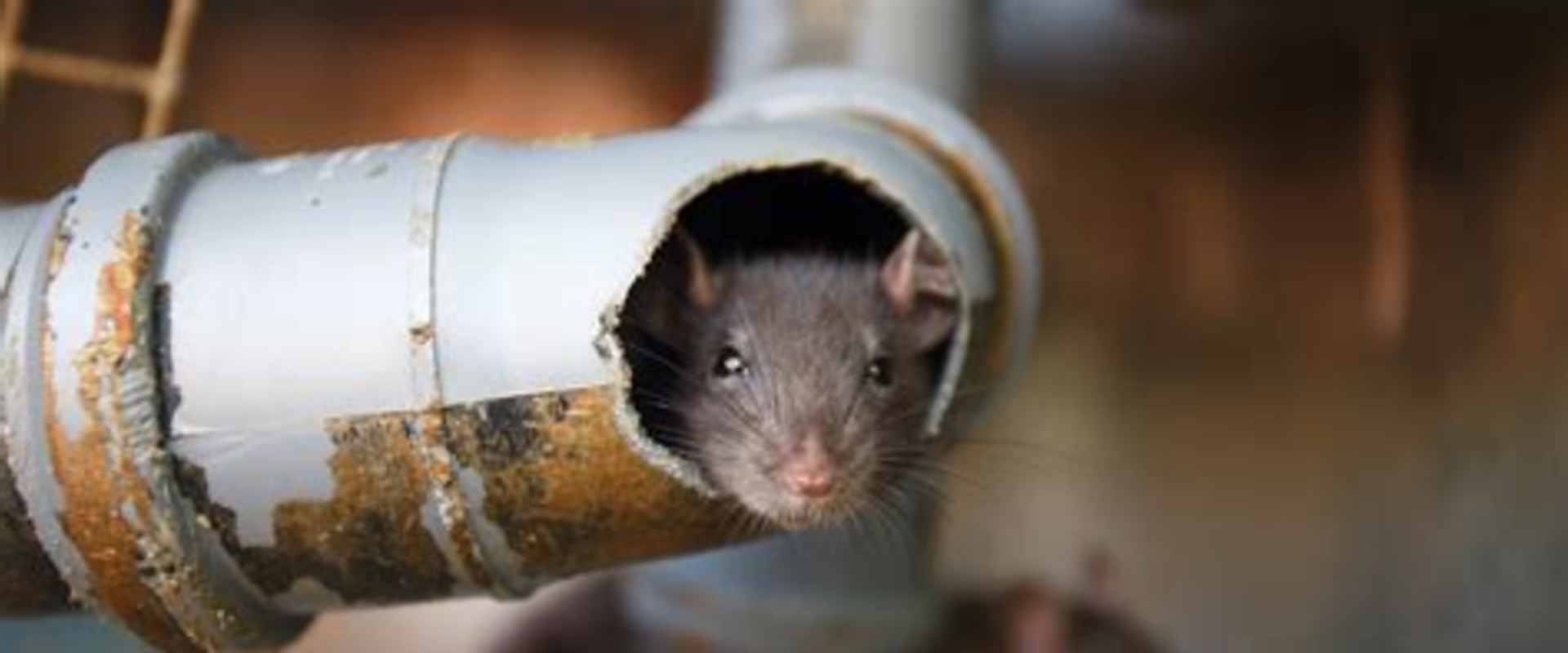
Rodent control is often approached as a standalone concern, but in reality, it is closely connected to the condition and awareness of a home’s plumbing system. Rodents are naturally drawn to environments that provide easy access to water, warmth, and shelter—conditions commonly found near pipes, drains, and utility areas. Small leaks, condensation, and poorly sealed pipe openings create ideal entry points and habitats for pests. Recognizing this connection allows homeowners to take a more strategic approach to rodent control by addressing the underlying factors that attract them in the first place. By maintaining plumbing systems effectively, it becomes easier to reduce the likelihood of infestations and protect the overall integrity of the home.
Identifying Vulnerabilities Around Plumbing Fixtures
One of the most important steps in rodent control is identifying vulnerabilities around plumbing fixtures. Gaps where pipes enter walls, loose fittings, and aging materials can all serve as access points for rodents. Even minor openings can be enough for mice to squeeze through and establish nests within walls or under floors. Conducting regular inspections of these areas helps uncover hidden issues before they escalate. Sealing gaps with durable materials and ensuring that pipes are properly secured not only prevents rodent entry but also enhances the efficiency of the plumbing system. This dual benefit highlights the importance of integrating pest control with routine home maintenance practices.
Managing Moisture to Deter Rodent Activity
Moisture control is a critical factor in preventing rodent infestations. Rodents rely on water sources to survive, making damp environments particularly attractive. Leaky pipes, clogged drains, and standing water around fixtures can quickly turn utility areas into ideal habitats. Addressing these issues promptly reduces the availability of water and discourages rodents from settling in. Homeowners can benefit from regular plumbing checks and timely repairs to keep moisture levels under control. For those seeking additional guidance, resources that encourage homeowners to learn more about maintaining dry and well-ventilated spaces can be valuable in supporting long-term pest prevention efforts.
Integrating Preventative Maintenance Strategies
Effective rodent control requires a combination of preventative measures that extend beyond simple trapping or removal. Maintaining clean and organized spaces around plumbing areas reduces hiding spots and makes it easier to detect early signs of activity. Proper waste management and food storage further limit the resources available to pests. Additionally, installing protective barriers such as pipe insulation and mesh coverings can help safeguard vulnerable areas. By integrating these strategies into regular home maintenance routines, homeowners can create an environment that is less conducive to rodent activity while also preserving the functionality of their plumbing systems.
Long-Term Benefits of Plumbing Awareness in Pest Control
Understanding the subtle role of plumbing system awareness in rodent control offers significant long-term benefits. A well-maintained plumbing system not only supports efficient water usage but also reduces the risk of pest infestations and related damage. Over time, this proactive approach leads to fewer repairs, lower maintenance costs, and a healthier living environment. By viewing rodent control as part of a broader home care strategy, homeowners can address multiple concerns simultaneously and achieve more sustainable results. Ultimately, the connection between plumbing and pest management underscores the importance of coordinated maintenance in protecting both the home and its occupants.