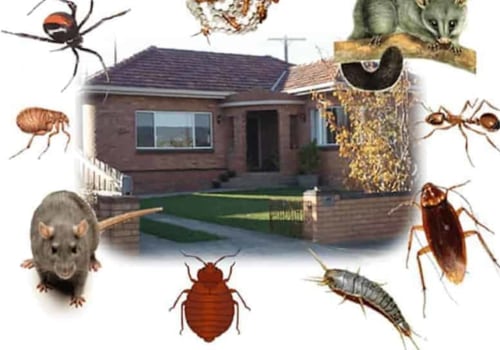
Rodent control is commonly viewed as a way to remove unwanted mice and rats from homes, but its importance extends far beyond simply eliminating a pest infestation. Rodents can quietly cause damage to critical building components while remaining hidden inside attics, crawl spaces, basements, wall cavities, and utility areas. Because much of this activity takes place out of sight, homeowners often discover the problem only after significant deterioration has already occurred. Chewed wiring, damaged insulation, weakened wood, contaminated ventilation systems, and compromised plumbing are just a few of the issues that can develop when rodents are allowed to remain inside a home. Effective rodent control therefore plays an important role in protecting not only the health and comfort of occupants but also the long-term structural condition of the property. Treating the infestation promptly helps prevent small problems from escalating into expensive repairs that affect multiple building systems.
How Rodents Can Affect Structural Components
Rodents have continuously growing teeth that require constant gnawing, leading them to chew on a wide variety of materials commonly found in residential construction. Wooden framing, subflooring, roof supports, insulation, plastic piping, electrical wiring, and even soft masonry materials may all become targets as rodents create nesting areas or travel through the structure. While individual bite marks may seem insignificant, repeated activity over time can weaken wood, enlarge small openings, and increase the risk of water leaks or electrical hazards. Damaged plumbing caused by rodent activity can introduce hidden moisture into walls or crawl spaces, creating conditions that promote wood decay, mold growth, and further structural deterioration. Similarly, compromised electrical wiring increases the potential for overheating or fire, placing additional risk on the home's structural framework. Addressing these issues early helps preserve the integrity of both the visible and concealed portions of the building.
Inspection and Prevention Support Long-Term Stability
Professional rodent control involves much more than setting traps or removing existing pests. Comprehensive inspections identify the conditions that allowed rodents to enter the home in the first place, including gaps around foundations, roof penetrations, utility openings, damaged vents, or deteriorated exterior materials. Sealing these access points helps prevent future infestations while also reducing opportunities for moisture intrusion and air leakage. During extensive inspections or when damage appears significant, consultation with a structural engineer in Clayton MO may be appropriate if there are concerns about the condition of framing, floor systems, or other load-bearing components affected by prolonged rodent activity. Identifying structural concerns before repairs begin allows homeowners to address the underlying damage rather than focusing solely on pest removal. This proactive approach supports more effective restoration and reduces the likelihood of recurring maintenance issues.
A Complete Approach to Home Protection
Protecting a home requires ongoing attention to both its structural systems and the environmental factors that can affect them over time. Rodent control should be viewed as an important part of preventive home maintenance alongside regular roof inspections, plumbing repairs, moisture management, and foundation evaluations. Homeowners who respond quickly to early signs of rodent activity—such as droppings, scratching noises, nesting materials, or unusual odors—are often able to prevent extensive structural damage and avoid costly repairs. Routine inspections of attics, crawl spaces, garages, and utility areas also help identify vulnerabilities before infestations become established. By recognizing that rodent control goes beyond pest removal, homeowners can better protect the long-term value, safety, and durability of their property. Combining effective exclusion methods, professional pest management, timely repairs, and structural evaluation when necessary creates a stronger, healthier home that remains resilient against both biological threats and the gradual wear that can compromise its structural integrity over time.